


Other Treatments
Clenching/Grinding – Bruxism
What is Bruxism?
Teeth grinding or clenching, also called bruxism, is the involuntary grinding, clenching, or gnashing of teeth. It can occur during sleep or while awake when concentrating, stressed, or anxious. People who grind or clench their teeth during sleep are more likely to have other sleep disorders such as snoring and sleep apnoea, which can lead to poor sleep quality.
Mild bruxism may not cause significant problems and often does not require treatment. However, some individuals may experience headaches, jaw disorders, damaged teeth, and other complications.
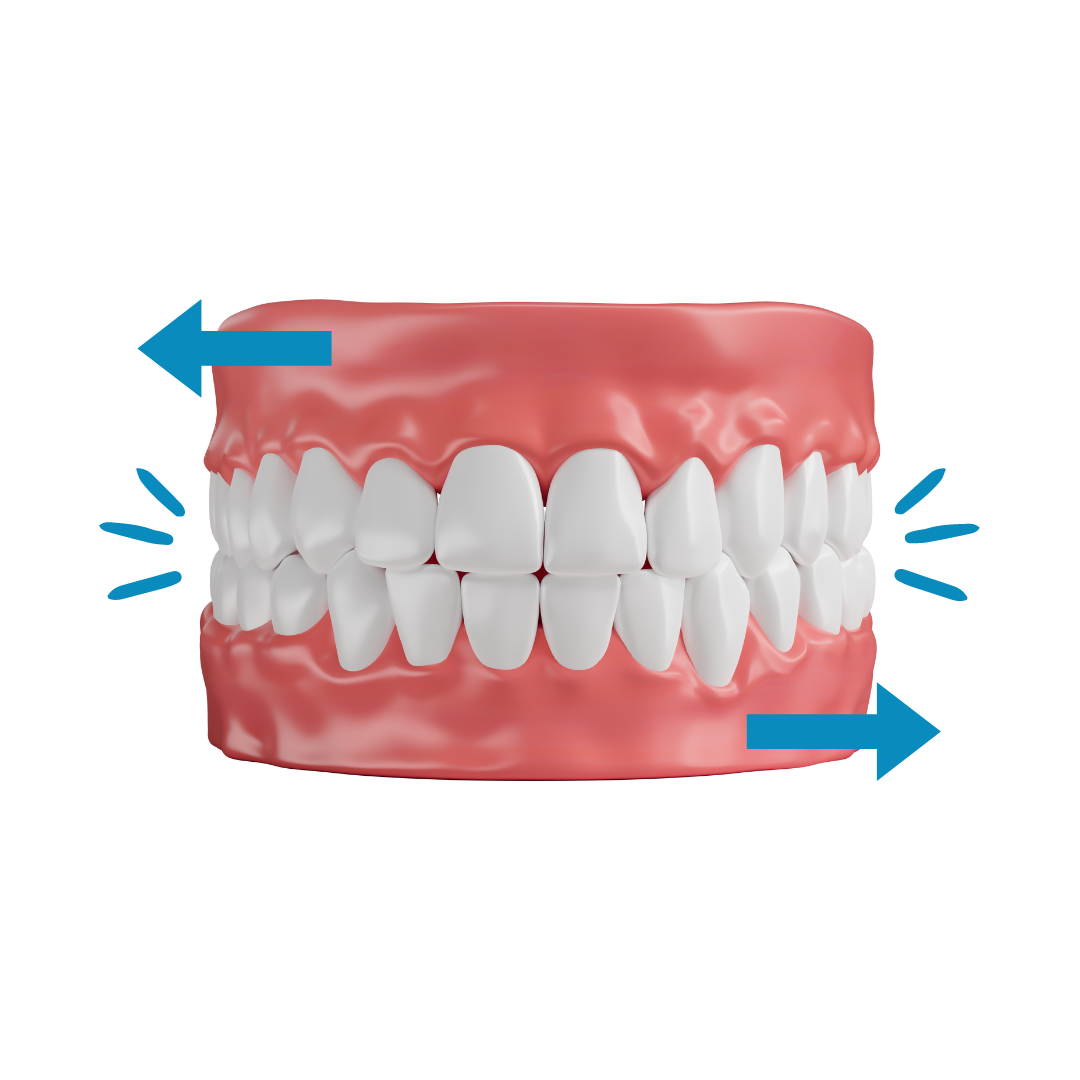

The exact cause of bruxism is unknown, but it may result from various factors, including:
- Daily emotions such as anxiety, stress, anger, frustration, or tension
- The ability to cope or relax
- Deep concentration
- Sleeping habits
- Misaligned teeth
- Certain medications
Some factors may increase the risk of bruxism:
- High levels of stress or anxiety
- Aggressive or hyperactive personality
- Smoking
- Caffeine or alcohol consumption
- Certain medications, including antidepressants
- Some mental and medical disorders, such as sleep apnoea, night terrors, GERD, and ADHD
How do I know if I have Bruxium?
As most people are unaware of teeth grinding or clenching behaviors, it is crucial to recognize the signs and symptoms of bruxism and seek dental care.
- Headaches or stiffness in the face and neck
- Aching teeth, especially after waking up
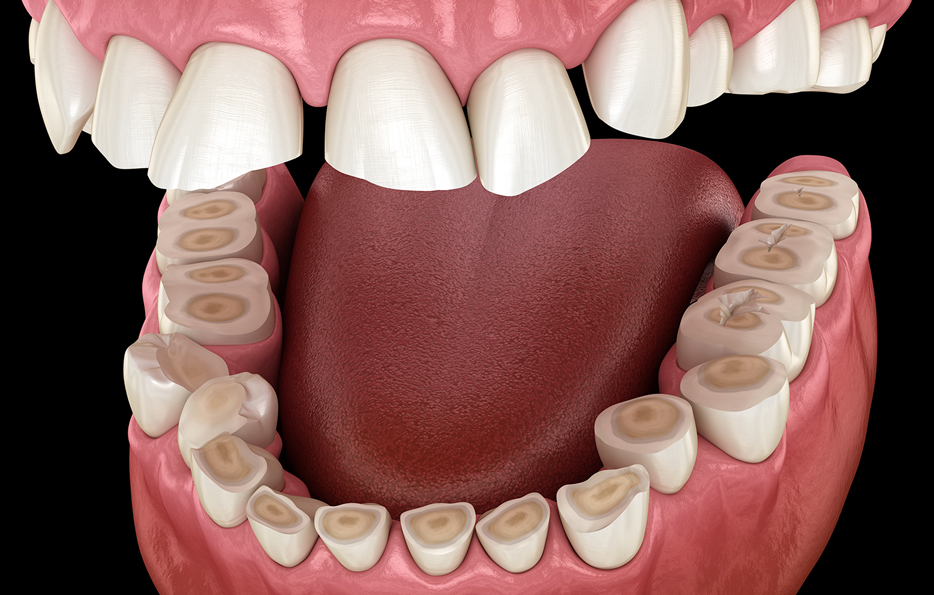
- Worn tooth enamel
- Chipped teeth or restorations (fillings, crowns, bridges)
- Increased tooth sensitivity
- Loose teeth
- Jaw muscle soreness or pain
- Jaw stiffness
- Strains on the temporomandibular joint (TMJ)
- Disrupted sleep

How Is Bruxism Diagnosed?
During a dental visit, if a patient complains of facial or oral pain or soreness while chewing, the dentist will:
- Examine the teeth and mouth for signs of bruxism
- Ask about dental history, medications, daily routines, and sleeping habits
- Check for dental abnormalities, such as broken or loose teeth
- Examine jaw joints and muscles for TMJ disorders
- Take X-rays if necessary to detect underlying bone damage
- Refer to an oral and maxillofacial specialist for severe cases
- Refer to a therapist or counsellor to address stress, anxiety, or other psychological issues
What Are the Treatment Options for Bruxism?
In many cases, bruxism does not cause serious problems and treatment may not be necessary. If severe, possible treatments include:
1. Mouth Guards and Mouth Splints
- Keep the upper and lower teeth separated at night to prevent damage.
- Custom-fitted guards are made from thermoplastic material for comfort and effectiveness.
- Mouth splints support and stabilize the jaw muscles and teeth alignment.
2. Repair of Damaged Teeth
- Worn enamel, cracked/chipped teeth, and sensitive teeth can be treated with reshaping, overlays, or crowns. To learn more, click here
3. Corrective Jaw Surgery (Orthognathic Surgery)
- Severe cases may require orthognathic surgery to correct jaw structure issues caused by bruxism. To learn more, click here
4. Stress and Anxiety Management
- Consulting a therapist or counsellor can help manage emotional stress.
- Healthy coping skills include yoga, deep breathing, meditation, and exercise.
Fissure Sealant
What Are Fissure Sealants?
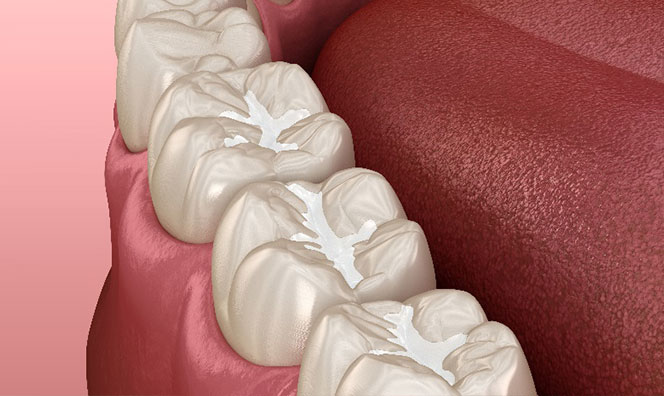
Fissure sealants are thin coatings applied to the molars’ biting surfaces to prevent decay. This quick, safe, and painless procedure creates a protective barrier that prevents food and bacteria from getting trapped in tooth grooves.
How Is Fissure Sealant Applied?
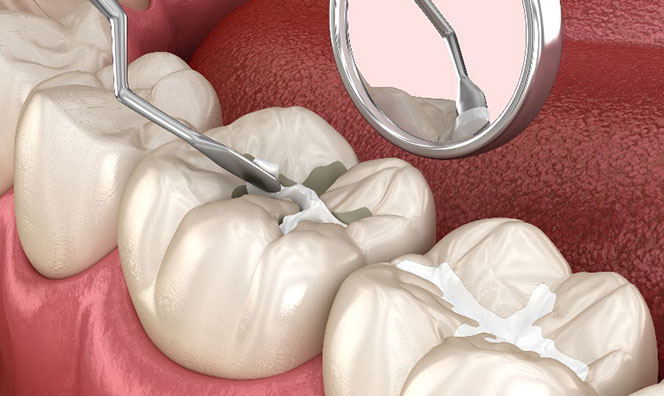
- The tooth is cleaned and dried (air abrasion or gentle trimming).
- A gel is applied to roughen the tooth surface, then the sealant is placed.
- The sealant is hardened with a blue fiber-optic light.
- Excess sealant is polished, and the bite is checked.
How Long Does Fissure Sealant Last?
- The procedure takes around 10–20 minutes.
- Sealants are durable but may wear over time; regular dental check-ups ensure they remain effective.
Advantages and Necessity
- Sealants prevent bacteria from reaching grooves that toothbrush bristles cannot.
- Good oral hygiene and six-monthly dental check-ups are still essential.
- Dentists will advise if and when sealants are beneficial.
Advantages and Necessity
- Sealants prevent bacteria from reaching grooves that toothbrush bristles cannot.
- Good oral hygiene and six-monthly dental check-ups are still essential.
- Dentists will advise if and when sealants are beneficial.
Topical Fluride
What is Topical Fluoride?
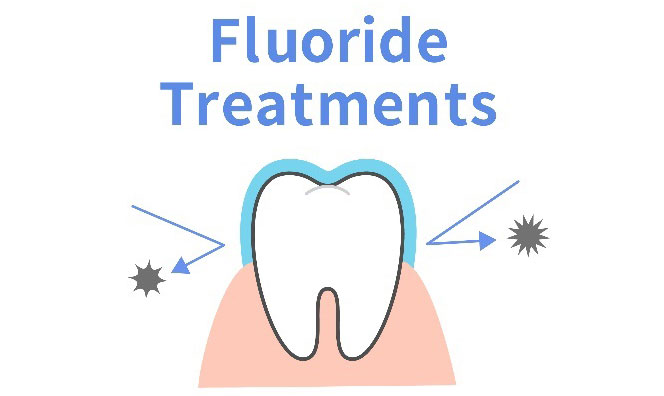
Fluoride, a naturally occurring mineral in water and food, is present in dental products such as toothpaste, mouthwash, gels, and varnishes. It strengthens tooth enamel and prevents demineralization, a process where acids from food and drinks erode enamel.
Professional Fluoride Treatment
- Fluoride is applied as a gel or varnish during routine scaling and polishing.
- For sensitive or demineralized areas, fluoride varnish (e.g., Duraphat) is painted directly on the teeth.
- Avoid eating or drinking for 30 minutes after application.
Benefit
- Restores minerals to enamel and prevents cavities
- Strengthens teeth against acid attack
- Reduces tooth sensitivity
- Recommended once a year for moderate-risk patients and twice a year for high-risk patients
Always consult our dentists for advice on whether fluoride treatment is suitable for you.

Your Trusted Partner in Dental Excellence.
Your journey to a dream smile starts here. Experience personalized, comfortable care from the moment you walk through our doors, tailored specifically to your unique needs.