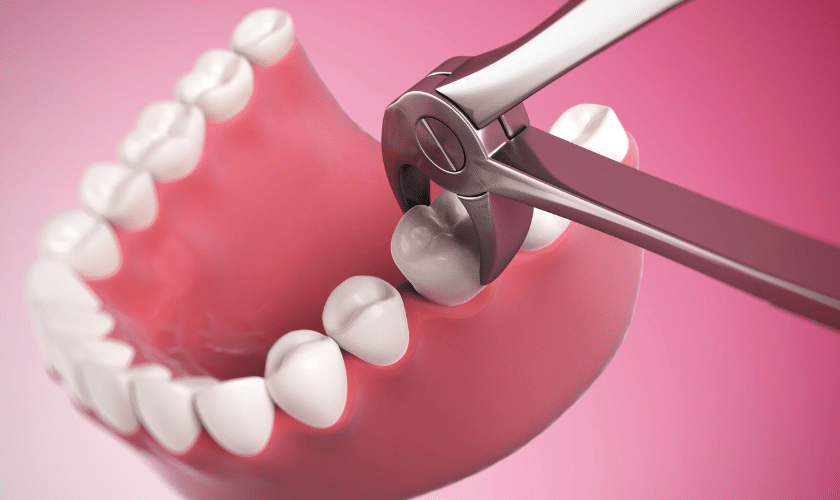


Wisdom Tooth
What is a ‘Wisdom Tooth’?
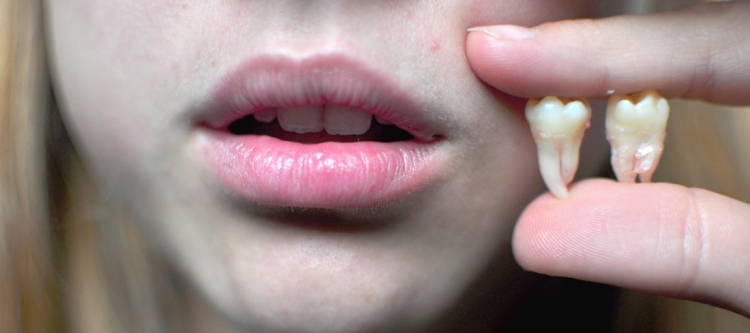
Wisdom teeth are the third molars. They are the last teeth to appear at the back of your mouth, usually emerging between the ages of 17 and 25—the so-called “years of attaining wisdom.” However, wisdom teeth may also appear later in adult life.


Why do I need to remove my Wisdom Tooth?
Wisdom teeth can cause problems if there is insufficient space for them to emerge or if they erupt in the wrong position.
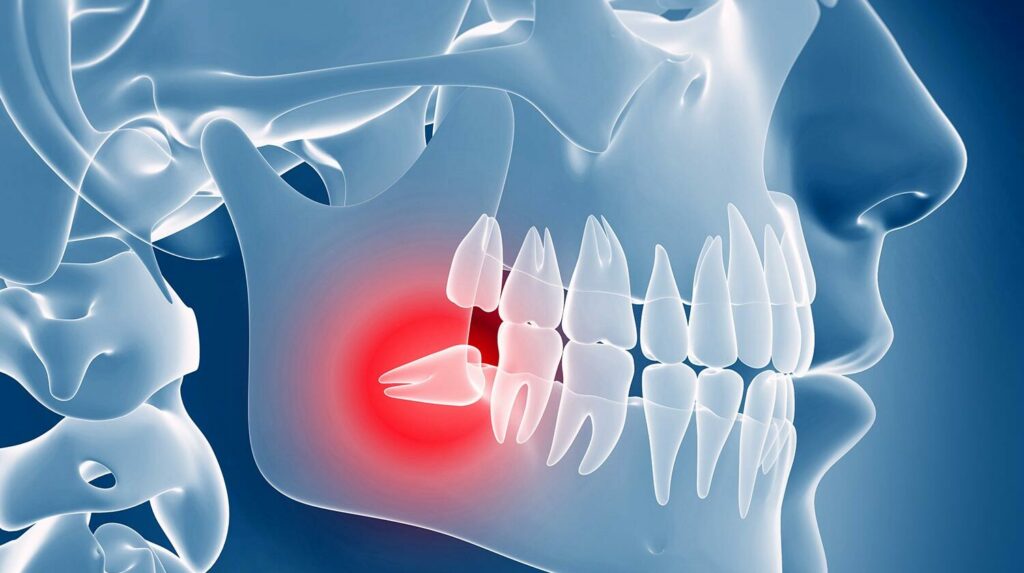
Your wisdom teeth may also be impacted, meaning they are trapped in your jaw or under your gums. Impacted teeth are difficult to clean, can trap food, and may lead to the following issues:
- The gums overlying impacted wisdom teeth may become infected and swollen, causing a painful condition called pericoronitis.
- They can cause decay in the second molar in front.
- Teeth in front may become crowded.
- They can develop into cysts, which may damage neighboring teeth.
Your dentist may also recommend removal of wisdom teeth as part of orthodontic treatment or other dental procedures. Wisdom teeth may require surgical removal if any of the following symptoms are present:
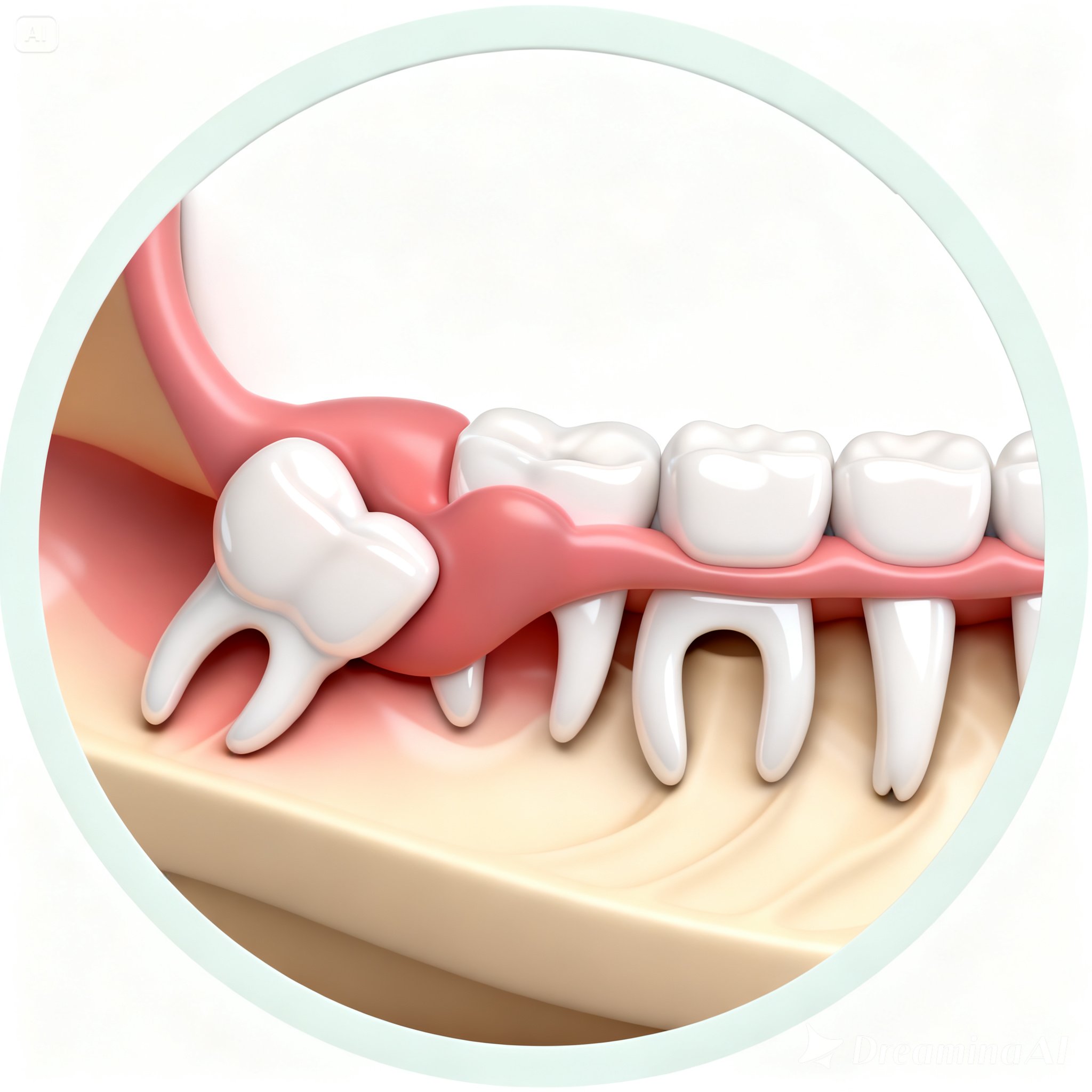
Infection
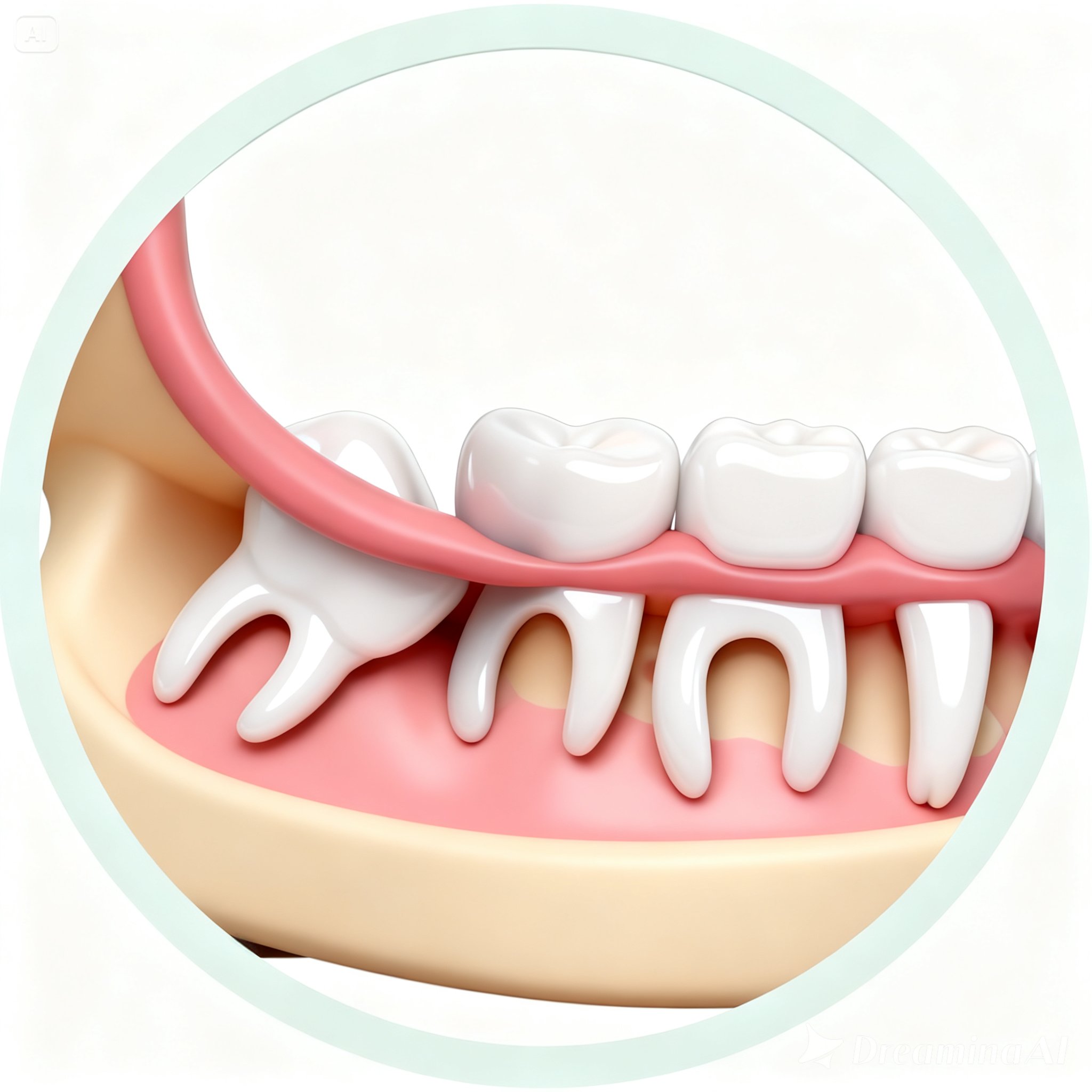
Erosion/Cavity
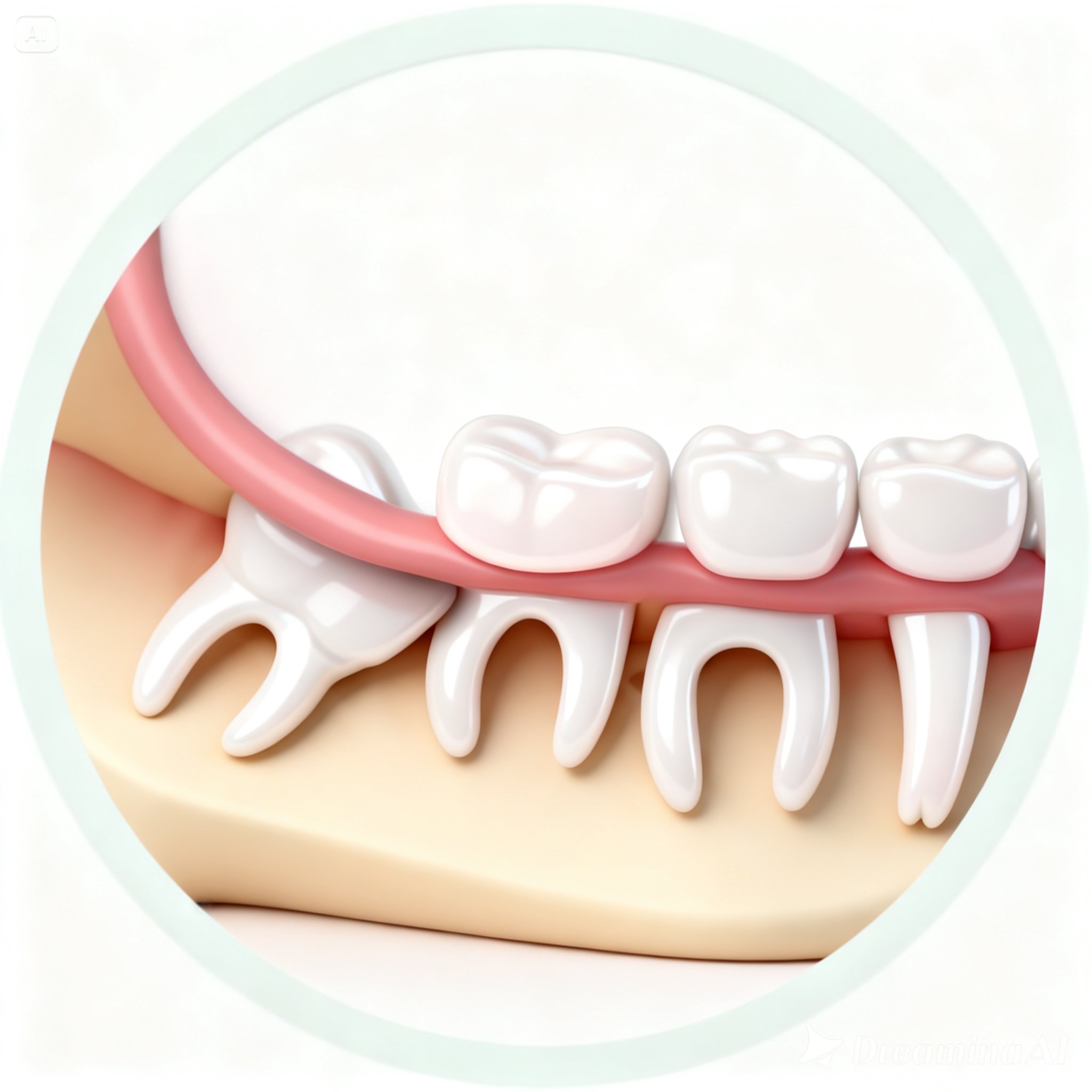
Crowding
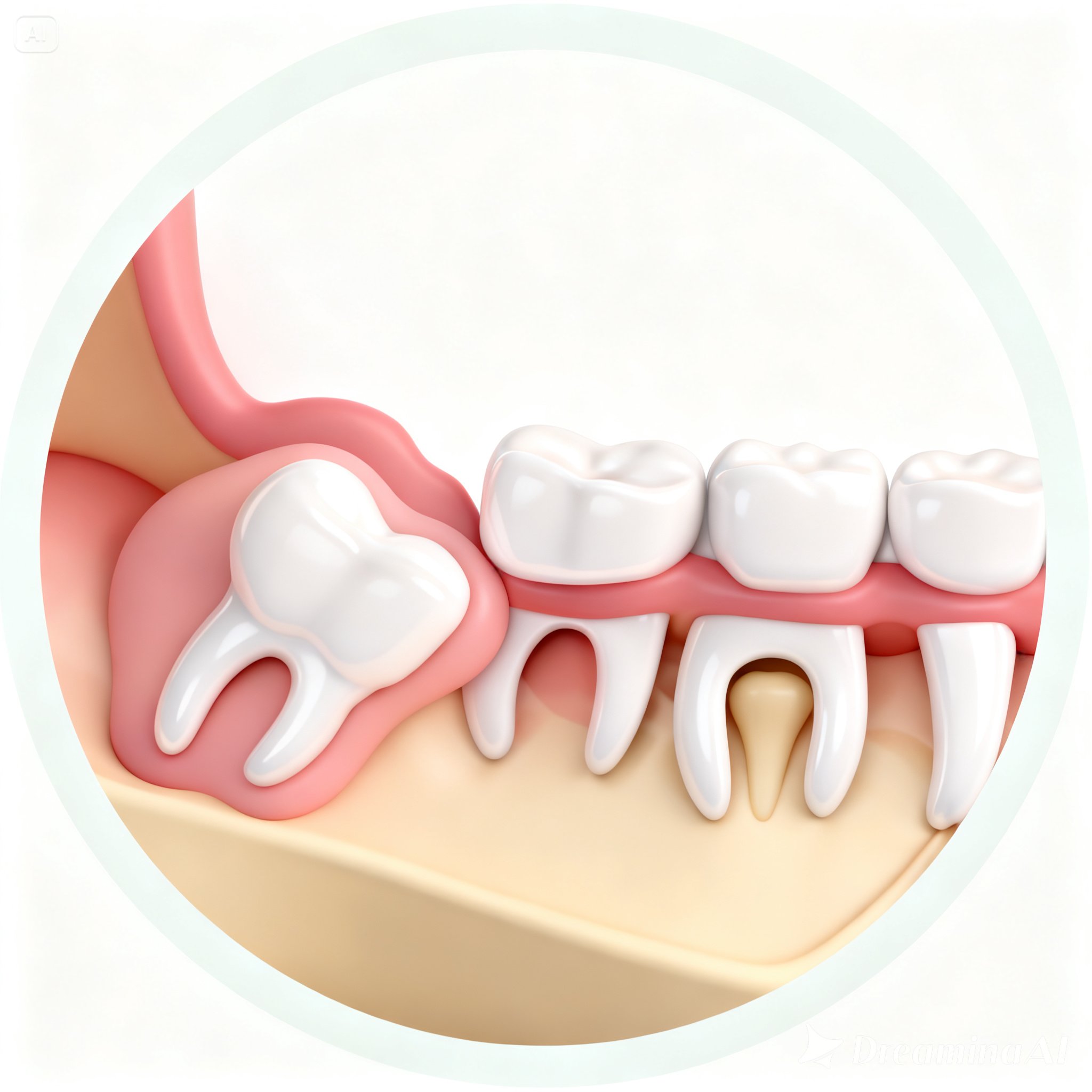
Cysts
How Will My Wisdom Tooth Be Taken Out?
- Your dentist will perform a thorough clinical examination to determine whether surgical removal is necessary.
- An x-ray will be taken to check the position of the wisdom tooth.
- Surgery is usually performed under local anaesthesia. Intravenous sedation by a qualified anaesthetist can be arranged if required.
- After removal, the area will be stitched, and antibiotics and painkillers will be prescribed.

Your Trusted Partner in Dental Excellence.
Your journey to a dream smile starts here. Experience personalized, comfortable care from the moment you walk through our doors, tailored specifically to your unique needs.
1. Before the Wisdom Tooth Surgery
- Inform your dentist of any medical conditions or allergies.
- Arrange for a few days of medical leave.

2. After the Wisdom Tooth Surgery
- Bite on gauze with firm pressure for 1–2 hours, changing it when soaked with blood.
- Avoid rinsing your mouth, hot drinks, and hot food immediately after surgery.
- Following local anaesthesia, your lips, tongue, or cheeks may remain numb for 3–4 hours, during which accidental biting may occur.
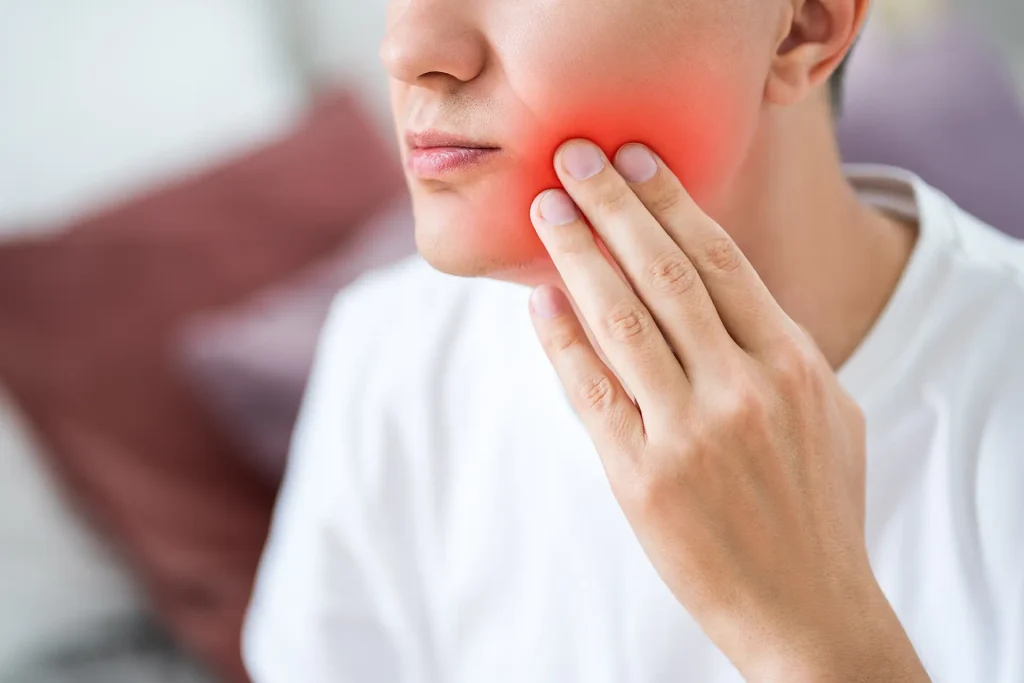
- Swelling or bruising may occur on the face; this typically disappears within a few days.
- If you smoke, refrain from smoking after surgery.
- Avoid strenuous activities for 4–5 days post-surgery.
- Consume soft foods for 2–3 days and rinse your mouth with antiseptic mouthwash or warm salt water after meals.
- If Bleeding Re-Commences:
- Rinse your mouth with cold water, then fold a piece of gauze (or a cotton handkerchief) into a tight pad and place it over the bleeding point. Bite down with firm pressure for 30 minutes.
- Repeat this procedure twice if bleeding continues. If it still persists, return to the clinic for professional assistance.
- Take medications as prescribed. If rashes develop, stop taking them and contact the clinic immediately.
- Brush your teeth as normal but avoid brushing too hard near the wound.
- In case of emergency (e.g., nonstop bleeding or high fever), contact the clinic immediately. If unreachable, seek emergency care at a hospital Accident & Emergency Department.
- Visit your dentist in about one week to have the sutures removed.