


Dentures
What are Dentures?
Dentures are removable appliances with artificial teeth. They are typically made of plastic (acrylic) or a combination of plastic and metal (cobalt-chromium). Alternatively, you can opt for flexible dentures, which are softer than traditional plastic ones. The innovative biocompatible flexible material allows dentures to adapt to the constant movement and flexibility of your mouth.
2 Types of Dentures
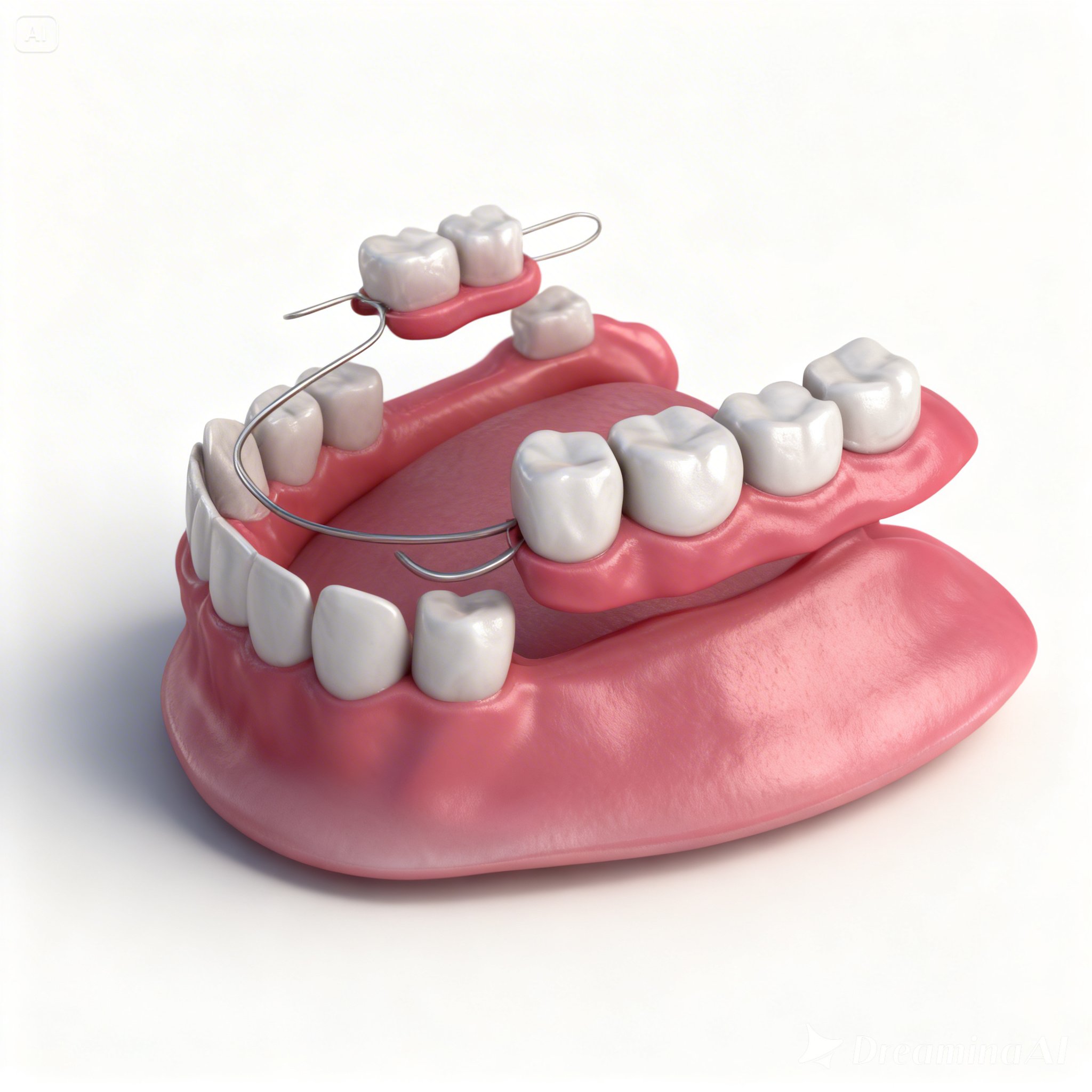
Partial dentures
- for patients who have lost some of their teeth.
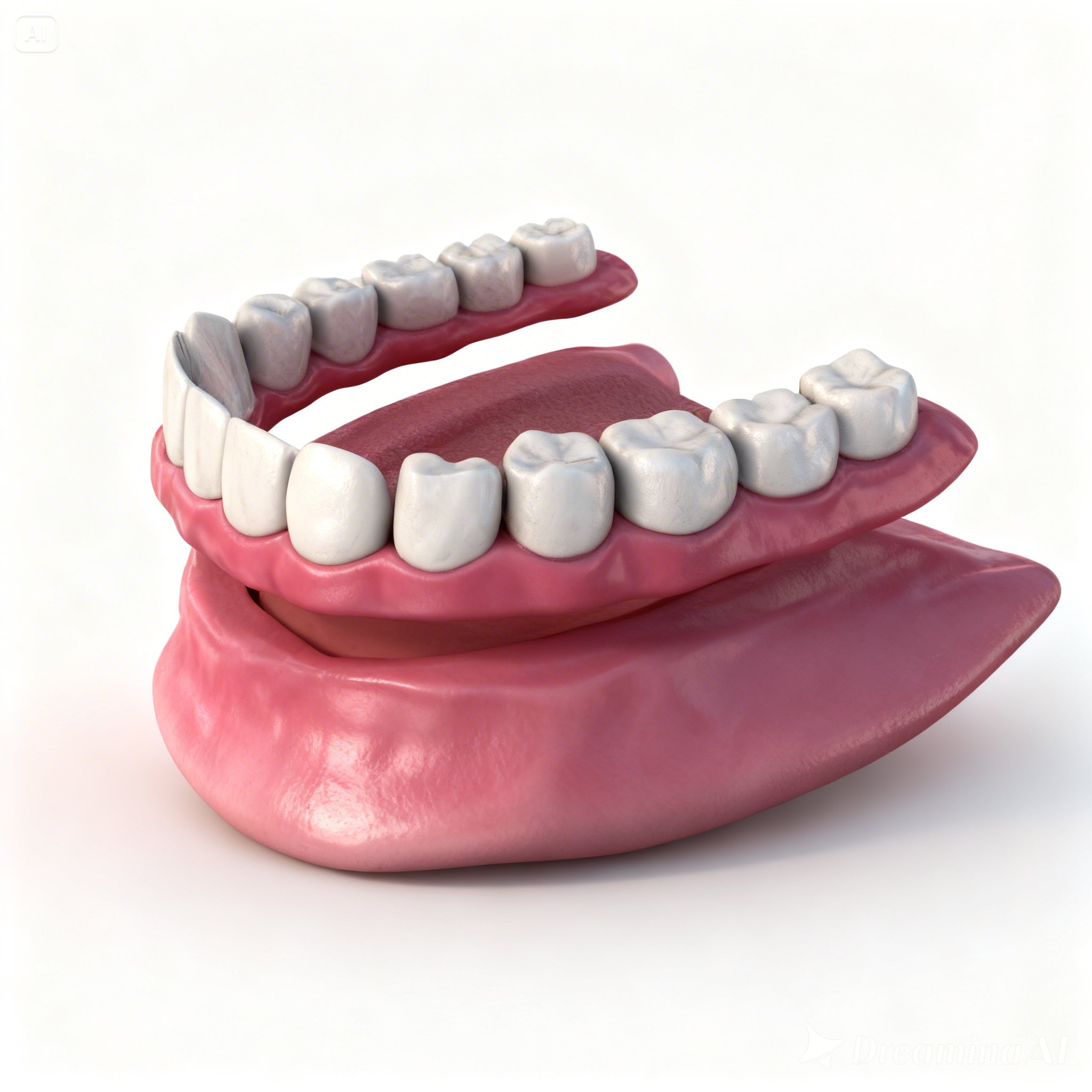
Complete/Full dentures
- for patients who have lost all of their upper or lower teeth.
The fabrication process usually takes a few visits. During the first visit, the dentist makes a mould of your teeth, which is sent to a dental laboratory. You may be asked to return for a “try-in” appointment. Once completed, the dentures will be issued to you. Dentures can accelerate bone loss, which may make them less comfortable over time. It is recommended to replace dentures every 3–5 years.

Your Trusted Partner in Dental Excellence.
Your journey to a dream smile starts here. Experience personalized, comfortable care from the moment you walk through our doors, tailored specifically to your unique needs.
FAQs
How many visits are needed to make a denture?
The fabrication of a denture involves several stages:
- Impression taking
- Try-in
- Issue
The interval between each visit is usually about a week, allowing the dental laboratory sufficient time to process the denture. In some cases, you may need to return for adjustments after receiving your dentures.
What to expect from new dentures
Although dentures are custom-made for your mouth, it may take time to get used to eating and speaking with them. Practising with soft foods and reading aloud can help shorten the adaptation period. Slight discomfort is common during the first few days or weeks. Note any areas of discomfort and inform your dentist at your next visit.
How to care for dentures
- Remove dentures carefully after meals to wash away food particles.
- Brush dentures thoroughly with soap and water before bedtime and store them in water at room temperature.
- Do not adjust the dentures yourself, as this may distort their shape. Always consult your dentist for adjustments.
When should dentures be replaced?
Dentures undergo daily wear and tear and may no longer fit as your gums and mouth change over time. Dentures should be replaced when they no longer fit properly. Complete denture wearers without natural teeth should still visit their dentist annually to ensure gum health and proper fit. Ill-fitting dentures can irritate the gums and increase the risk of oral cancer. New dentures support facial tissues better, providing a more natural smile.
What is an implant-retained denture?
Traditional dentures rest on the gums and may move slightly during eating and speaking. To reduce movement, titanium implants may be surgically placed in the jawbone to act as pillars for the dentures to clip onto. Patients struggling to adapt to regular dentures may consult their dentist to see if they are suitable for implant-retained dentures.