


Intraoral Scanning
What is Intraoral Scanning?
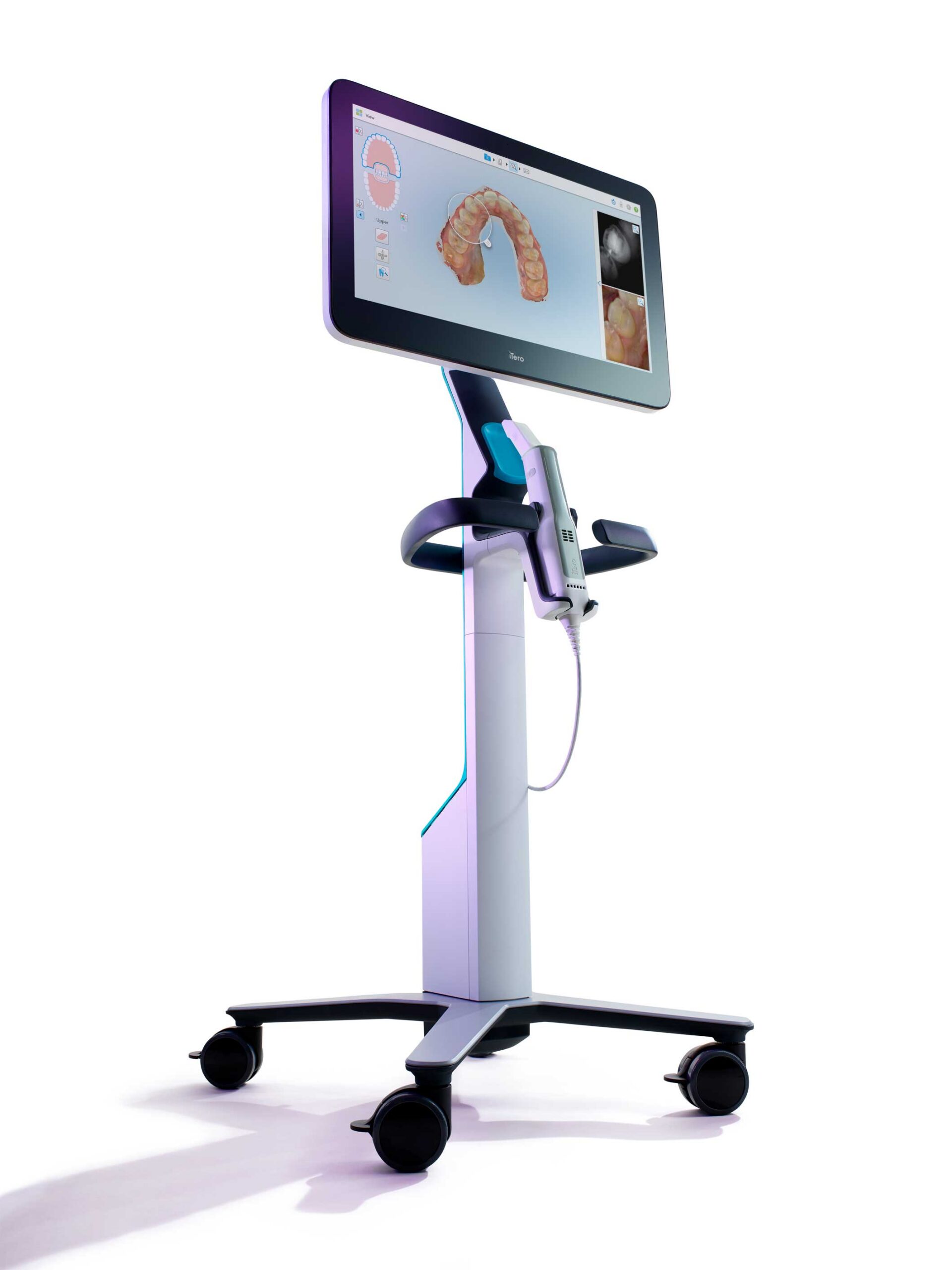
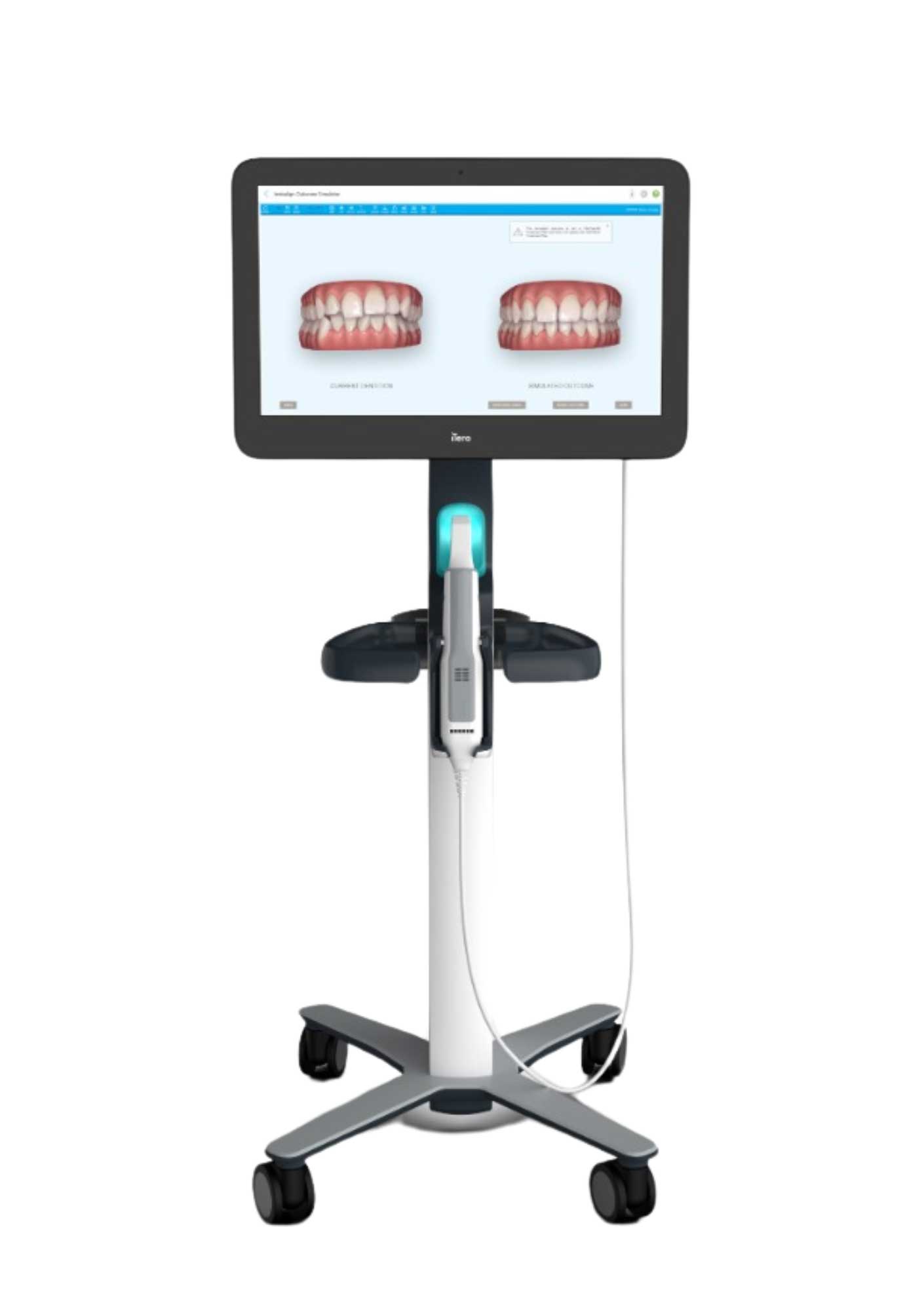
Intraoral scanning is a dental technology dentists use to create 3D images of a patient’s teeth and gums by capturing the exact shapes and contours. To carry out intraoral scanning, an intraoral scan-ner is required. The scanner consists of a handheld wand with a camera and scanning software. During scanning, the wand is inserted into the patient’s mouth and moved gently over the surface area of the teeth. It only takes a few minutes to scan. The scanned image is then readily displayed in real-time on a screen.
The dentist can easily view the magnified 3D images on the screen. These images can be sent to a dental laboratory, if required, and to your handphone if you have the Q & M App downloaded.
Ask your dentist about intraoral scanning to see a visual representation of your dental condition which can help you better understand treatment options presented by the dentist.
Download Q & M App today: https://l.ead.me/qmapp to receive 3D pictures of your teeth and gum!



Why do I need Intraoral Scanning?
In general, dentists use intraoral scanning for the following purposes:
- Early detection of oral health problems
- Determine patients’ baseline oral health by having a comprehensive visualisation of the oral cavity
- Track and monitor patients’ oral health and progress of treatment over time, enabling dentists to make adjustments and modifications if necessary
- Improved record-keeping as the scanned images can be securely stored and conveniently accessed, thus making it easier for dentists to keep track of patients’ records
- With patients’ teeth and intraoral structures accurately mapped out, these digital 3D models can be used by dentists to create detailed treatment plans tailored to their patients’ specific clinical requirements
- Intraoral scans are nowadays often used as an alternative to conventional (physical) dental impressions

Your Trusted Partner in Dental Excellence.
Your journey to a dream smile starts here. Experience personalized, comfortable care from the moment you walk through our doors, tailored specifically to your unique needs.
Intraoral scans vs traditional impressions
In the past, impression taking could only be done using a physical mould or cast of the teeth and gums. Traditional impression materials, such as alginate or polyvinyl siloxane, are relatively messy and can be quite uncomfortable for the patient.
The benefits of digital impressions, obtained via intraoral scanning, instead of conventional (physical) dental impressions are:
-
More comfortable for patients
The scanner takes images of the mouth quickly and with minimal discomfort, whereas conventional impression materials require at least several minutes to set in the patient’s mouth.
-
Increased accuracy
Digital scans have very high resolution and are generally very accurate. If any mistakes are detected, dentists can correct them immediately while the patient is still on the chair.
This is an essential aspect for the fabrication of dental prostheses such as orthodontic appliances, crowns and bridges. The high accuracy provided by intraoral scanning can help prevent errors and reduce the need for rework, thus saving the patient’s time.
-
Faster results
Digital scans can be processed more quickly than conventional impressions as the scans can be sent electronically to the dental laboratory. There is no longer a need to physically transport the impression to the laboratory. This leads to faster turnaround times for dental work, especially for patients who require urgent treatment.
Is intraoral scanning safe?
Intraoral scanners use optical or laser scanning technology to capture digital impressions of a patient’s teeth and gums. There is no known risk to biological tissues from such technology.
Intraoral scans are considered safe during pregnancy. However, some pregnant women may experience nausea or discomfort when the scanner wand is placed in the mouth.