


Nerve Treatment
Nerve Treatment
Endodontics or Root Canal Treatment
Endodontics is the field of dentistry that deals with the tooth pulp and the tissues surrounding the root end of a tooth. The pulp (containing nerves and other soft tissues) can become diseased due to deep decay, injury from trauma, or cracks caused by a traumatic bite. Unlike other parts of the body, the pulp is encased within the tooth and cannot repair itself when irreversibly inflamed. If it becomes inflamed and/or infected, root canal treatment is required.


The scope of endodontics services include:
- Pulp capping
- Root canal treatment or retreatment
- Endodontic surgery
- Bleaching of discolored non-vital teeth
- Treatment of traumatic tooth injuries
- Diagnosis and treatment of dental pain
Types of Treatments
- Endodontic microsurgery (apicoectomy, intentional replantation, etc.)
- Endodontic therapy (Root canal treatment) using a microscope
- Vital pulp therapy
- Management of odontogenic pain (toothache)
- Management of pulpal and periapical diseases
- Management of endodontic complications and errors
- Management of traumatic dental injuries
- Non-vital teeth whitening
- Restoration of endodontically treated teeth
- Regenerative endodontics of immature adult teeth

Your Trusted Partner in Dental Excellence.
Your journey to a dream smile starts here. Experience personalized, comfortable care from the moment you walk through our doors, tailored specifically to your unique needs.
Root Canal Treatment
Why Root Canal Treatment?
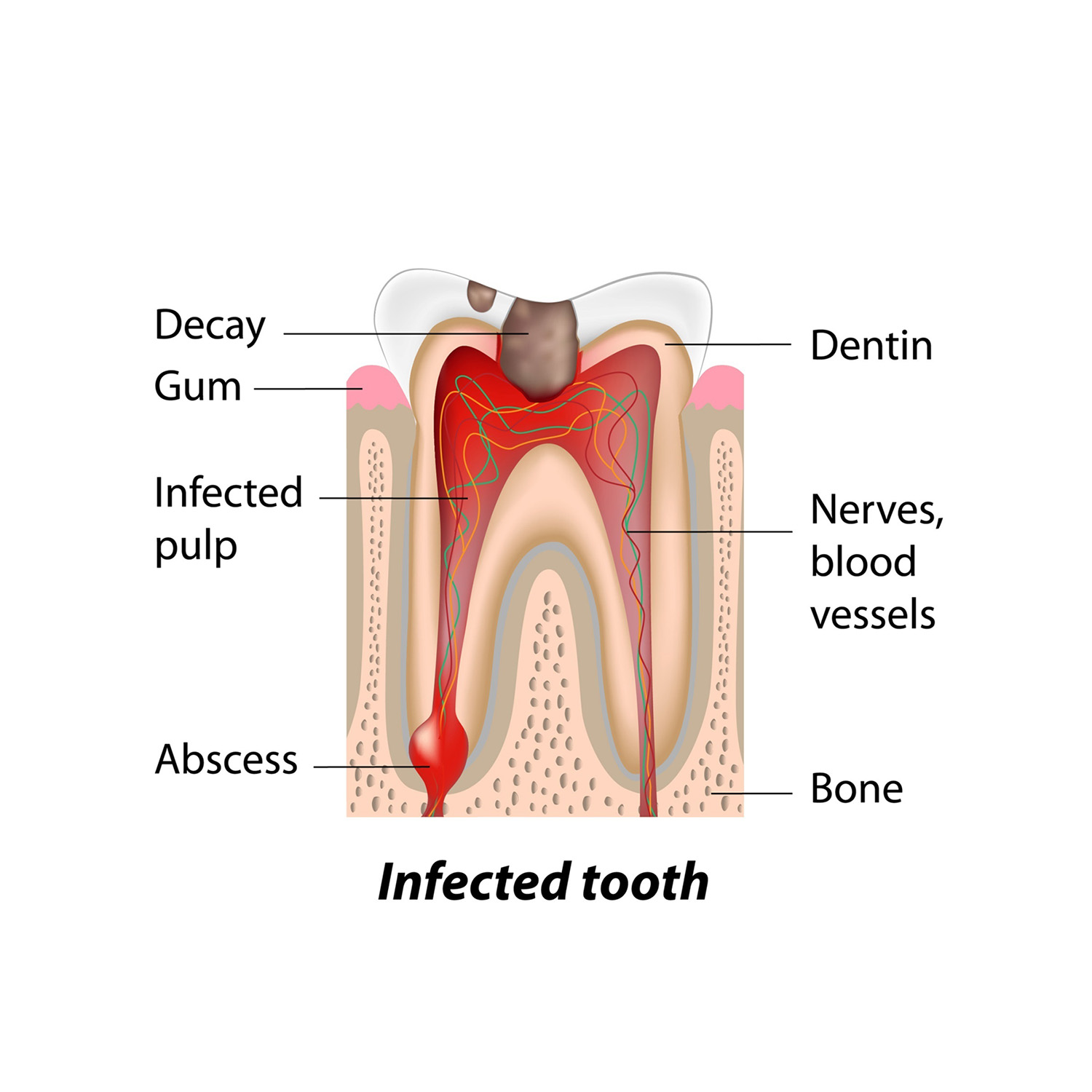
Every healthy tooth has a pulp chamber containing nerves and blood vessels. The pulp forms the roots during tooth development, provides sensation to the tooth when exposed to extreme temperatures, and signals when decay occurs.
However, not all cavities can be treated with just a filling. If decay or pre-existing damage is too deep, the pulp can become irreversibly inflamed and infected. Once the pulp is injured, the tooth begins to die, causing severe pain (toothache).
Over time, the infection can spread down the root, affecting surrounding structures. Swelling or pimple-like structures (sinus tracts) may develop on the gums. Other causes of pulp injury include:
- Very deep fillings
- Trauma
- Cracked teeth
- Severe gum disease
Do I have any other options?
Once the pulp is damaged, the only alternative to root canal treatment is dental extraction.
Extraction can cause complications affecting chewing and speech. Adjacent and opposing teeth may drift, increasing the risk of decay and gum disease. Missing front teeth also present aesthetic concerns, which can impact confidence and self-esteem.
Root canal treatment is therefore the best option to save the tooth whenever possible.
What Are the Steps in Root Canal Treatment?
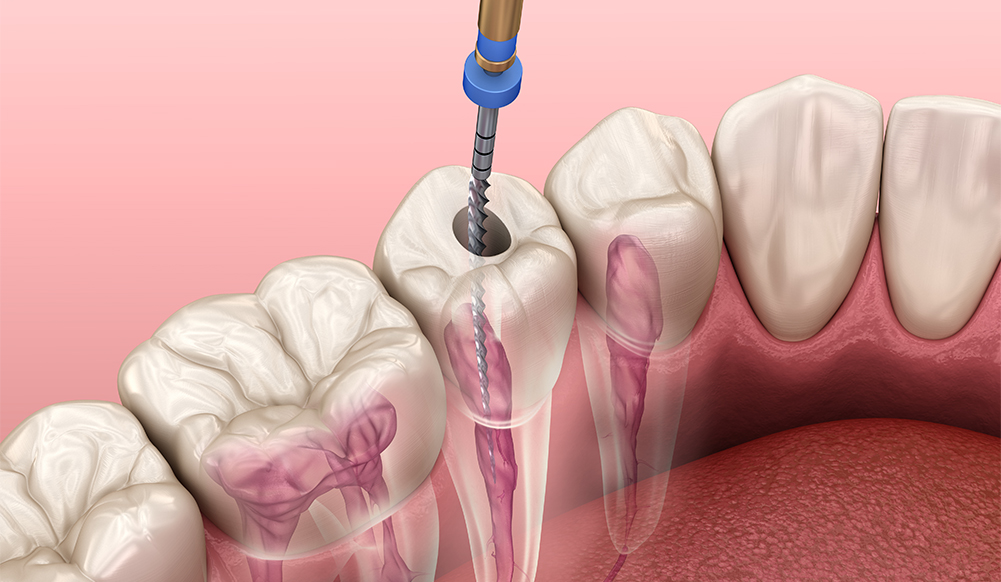
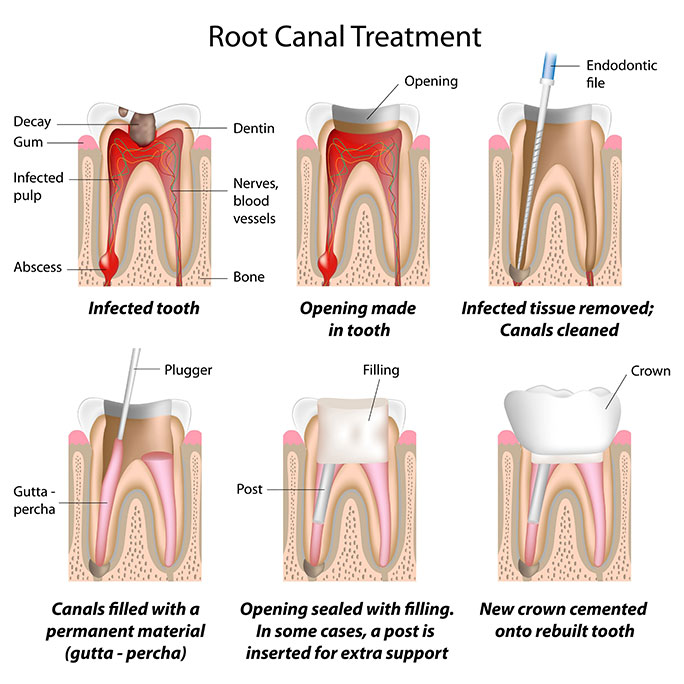
- The decay is first removed. An opening is made at the top of the tooth.
- Damaged pulp tissue is removed from the pulp chamber and root canals.
- Canals are thoroughly cleaned and disinfected. Sometimes, medication is placed in the canals, and the opening is temporarily filled until the next appointment.
- Canals are sealed with a biocompatible material, and the tooth opening is filled permanently (core). If the tooth is badly damaged, a post may be inserted to retain the core.
- To protect back teeth (premolars and molars), a crown is recommended after root canal treatment. Severely damaged front teeth may also require crowns.
Anything Else I Need to Know?
- The cost and number of visits depend on the tooth and the level of difficulty. Front teeth are generally easier, whereas back teeth are more complex and costly.
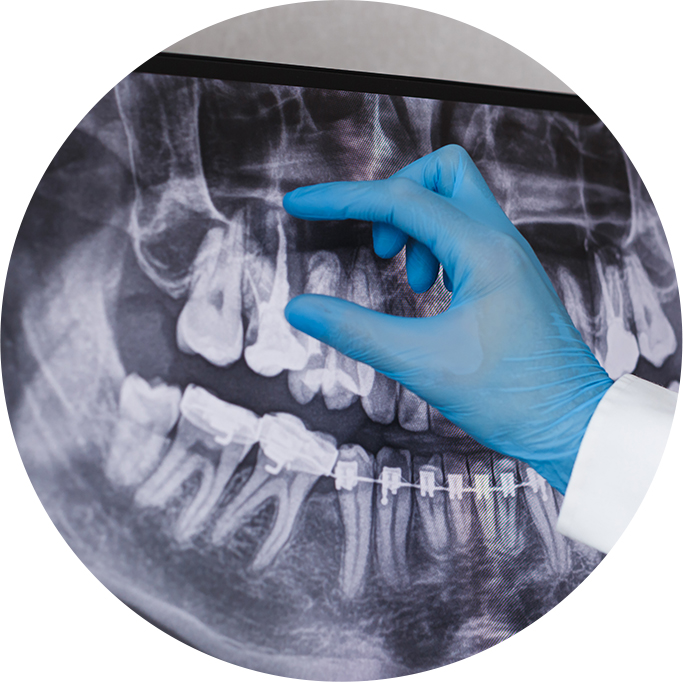
- X-rays are required during treatment.
- Crowns are usually needed after root canal treatment to prevent fractures, especially for back teeth.
FAQs
What are the benefits of endodontic treatment?
Endodontic treatment saves teeth that would otherwise need extraction. Saving natural teeth is always the best option. Occasionally, teeth cannot be saved if decay or trauma is too severe. Treatment can only be performed if root canals are accessible, adequately cleanable, and sealable, and if there is sufficient bone support.
How many appointments are necessary?
Root canal treatment is usually completed in one or two visits, depending on complexity.
How long will the teeth last after root canal treatment?
With proper restoration, brushing, flossing, and regular check-ups, root canal-treated teeth can last a lifetime. Crowns may be recommended to protect the tooth from fracture.
Is the procedure painful?
Endodontic treatment relieves pain rather than causing it. Local anesthetic ensures there is no pain during the procedure.
Will there be pain after the procedure?
Some tenderness may occur, which can be managed with painkillers. If pain persists longer than advised, contact your dentist for review.
Can endodontic treatment fail?
Success rates are up to 90%, but failure can occur if:
- Decay develops under the core/crown due to poor oral hygiene
- The tooth cracks due to lack of a crown
- Severe gum disease occurs
If treatment fails, options include endodontic surgery, extraction, or root canal retreatment in certain cases.